

Hear from Our Customers
You’re noticing something’s off. Maybe it’s the musty smell in the basement that won’t go away. Maybe your kids are coughing more at night, or your allergies are worse indoors than outside. Maybe you’re buying a home in Cottageville and want to know what you’re actually getting.
Mold doesn’t announce itself until it’s already a problem. By the time you see visible growth, spores have likely been circulating through your home for weeks or months. Pennsylvania’s humid summers create the perfect breeding ground—when indoor humidity stays above 50%, your carpet, drywall, and insulation start absorbing moisture. That’s when mold moves in.
Professional mold testing gives you answers before symptoms get worse or remediation costs spiral. We use air sampling, surface testing, and moisture detection to find both active contamination and the conditions that let it thrive. You get laboratory analysis that identifies exactly what species you’re dealing with, how concentrated it is, and where it’s coming from. That’s the difference between guessing and knowing.
We serve homeowners throughout Bucks County with licensed mold assessment services. We’re not trying to upsell you on remediation work—our job is to give you accurate information so you can make the right call.
Pennsylvania requires a license to conduct professional mold assessment, and we meet those standards. Our testing follows EPA-certified methodology with independent laboratory analysis. You’re not getting a visual inspection and a sales pitch. You’re getting scientific data about what’s in your air and on your surfaces.
We’ve worked with enough Cottageville homeowners to know how Pennsylvania’s climate affects indoor air quality. The sticky summers, the damp basements, the attics that trap moisture—we understand what creates mold problems here and how to find them before they spread.
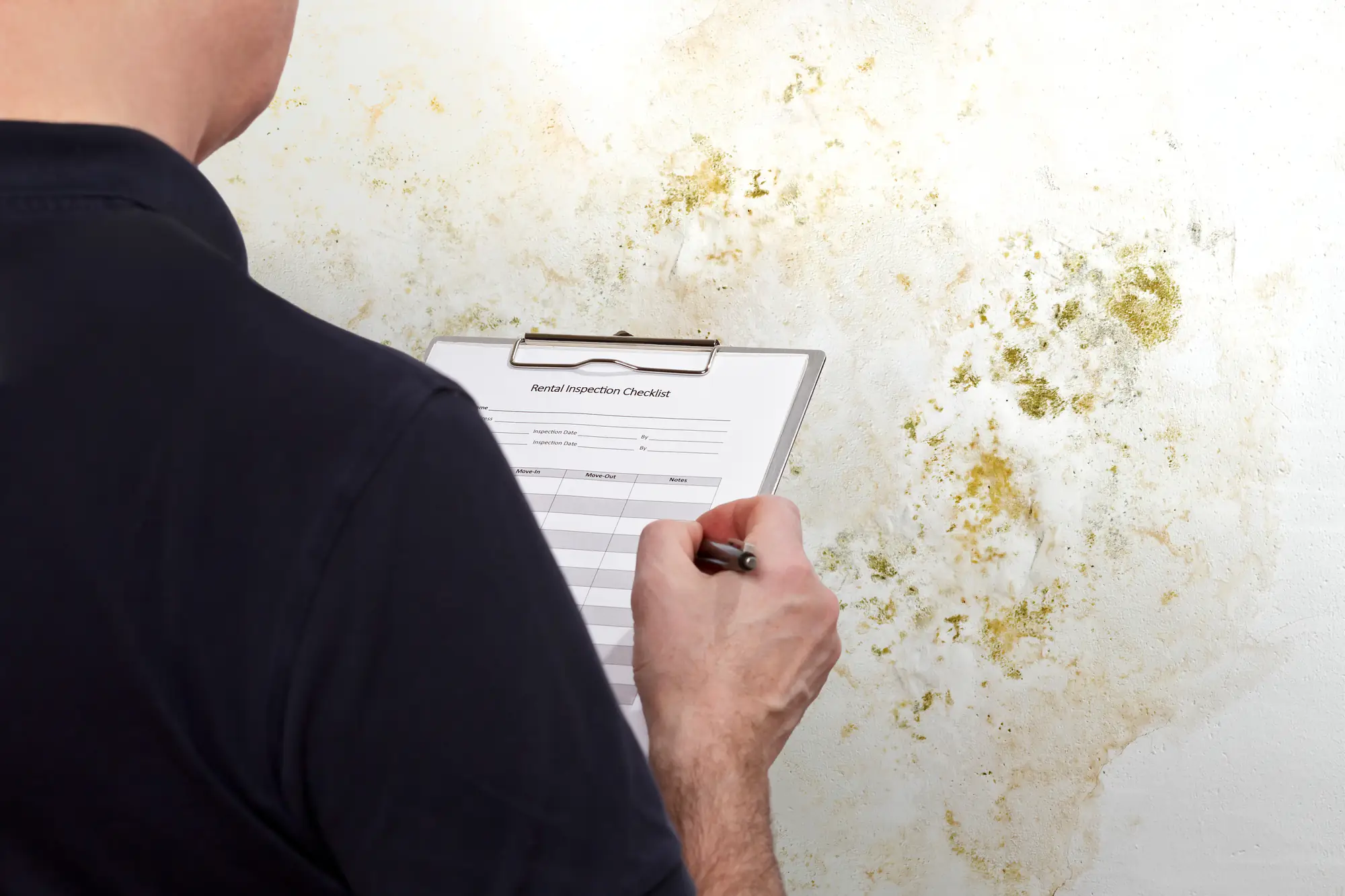
We start with a visual inspection of your property, looking for visible growth, water damage, and moisture issues. We’re checking behind appliances, inside HVAC systems, around windows, in crawl spaces—anywhere water or humidity could create a problem.
Next comes air sampling. We collect samples from multiple rooms to measure mold spore concentration in your indoor air. We also take outdoor samples for comparison, because some level of mold is always present outside. What matters is whether your indoor levels are elevated.
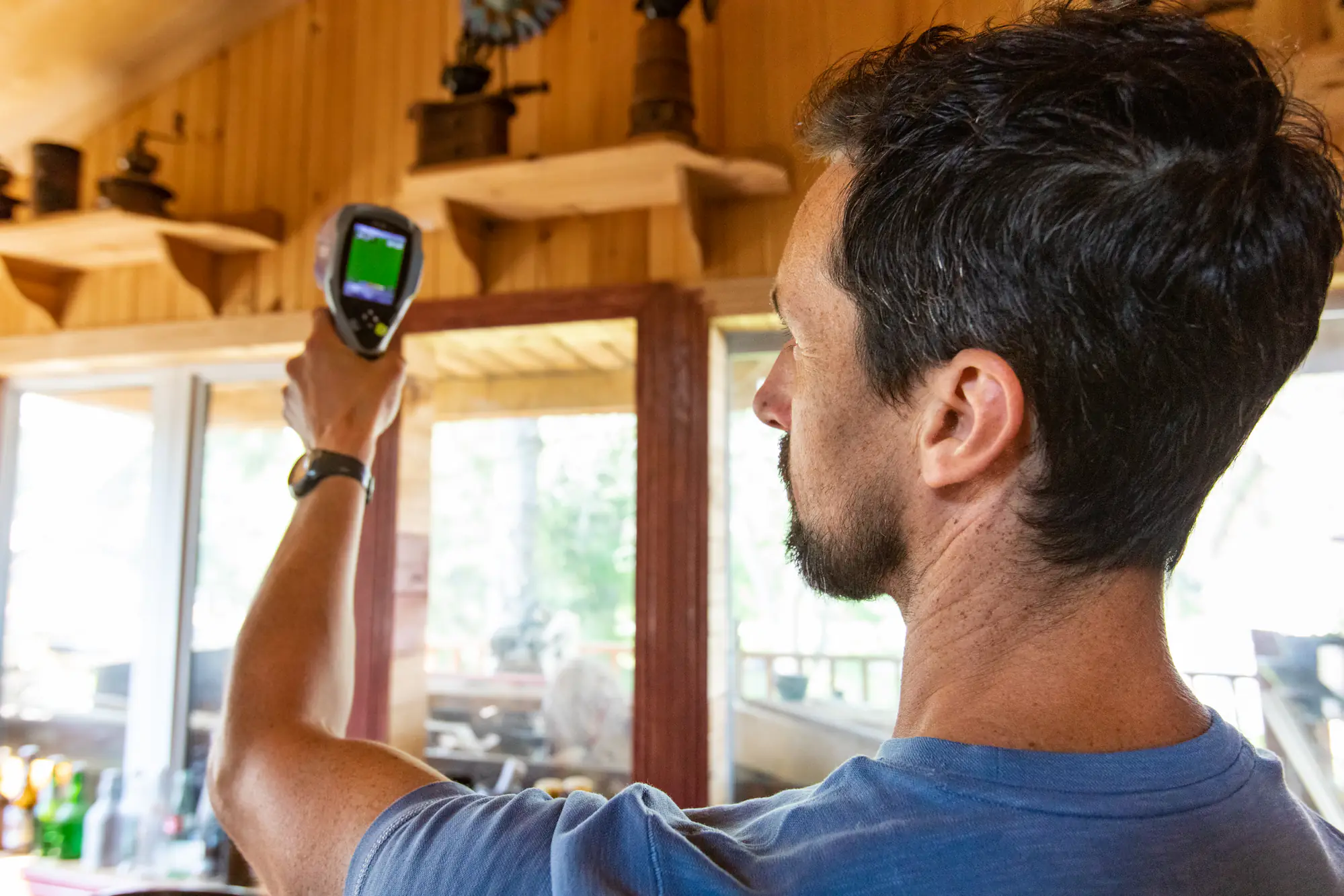
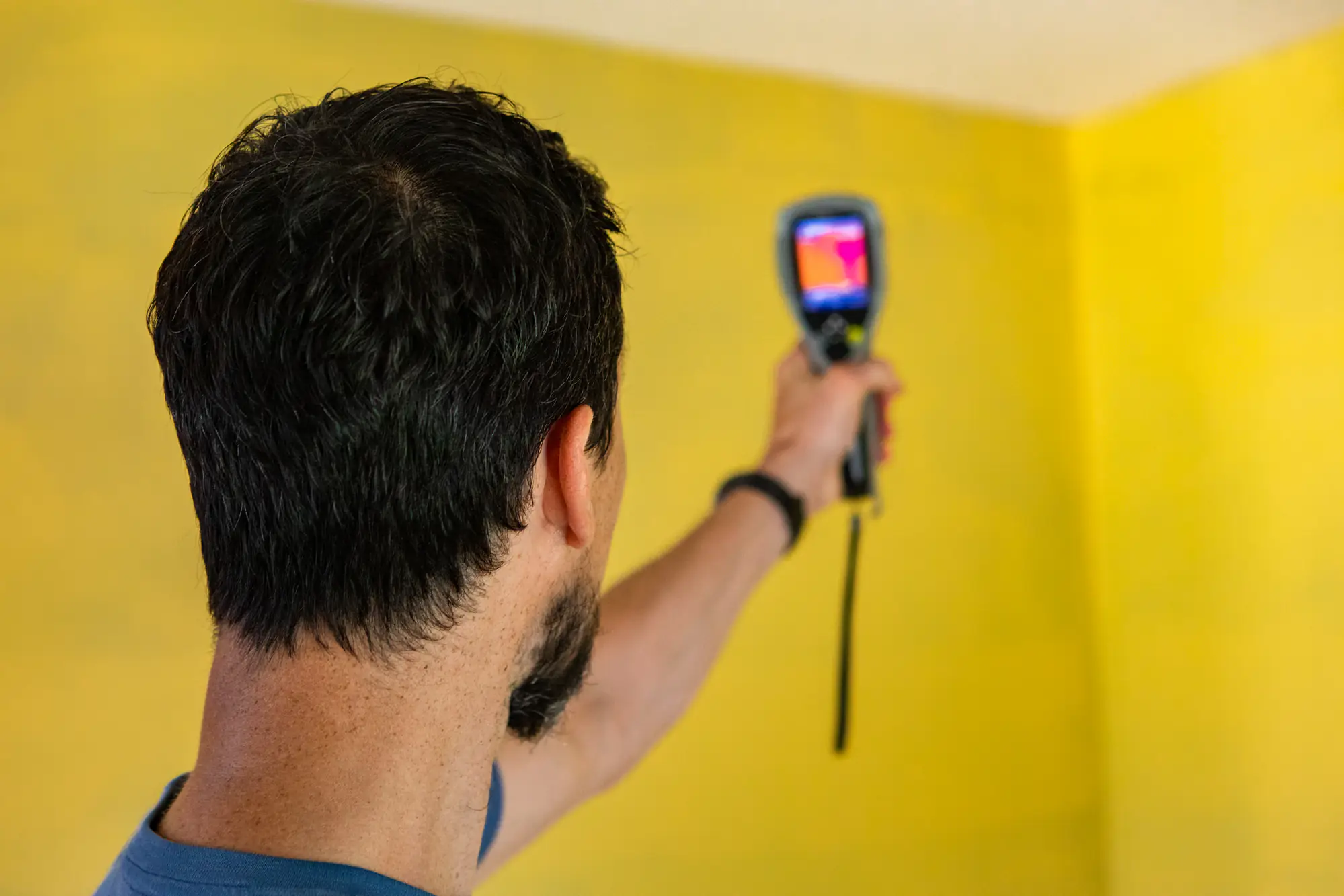
Surface testing comes next if we spot suspicious areas. We swab or tape-lift samples from walls, floors, or other surfaces and send them to an independent lab. Moisture meters help us identify hidden dampness inside walls or under flooring—places where mold grows out of sight.
The lab analyzes everything and identifies specific mold species. You get a detailed report showing what we found, where we found it, and how severe the contamination is. If remediation is needed, we’ll explain what that involves and what it should cost. If your home is clear, you’ll have documentation proving it.
Ready to get started?
Every residential mold testing service includes a complete visual inspection, air quality sampling from multiple locations, surface testing where needed, and moisture mapping with professional-grade detection equipment. You’re getting laboratory analysis from a certified third-party lab, not an in-house evaluation that might have a conflict of interest.
Cottageville homes face specific challenges. Pennsylvania’s humid continental climate means summer humidity regularly pushes past 50%, and that moisture doesn’t evaporate quickly when airflow is weak. Your AC system can actually make things worse—cold air hitting warm, humid surfaces creates condensation. Basements stay damp. Attics trap heat and moisture. Crawl spaces become mold factories.
We document everything for insurance claims and real estate transactions. Pennsylvania law requires sellers to disclose known defects, including mold problems. If you’re buying, you want testing done before closing. If you’re selling, you want documentation showing your home is clean. Either way, you need a licensed professional doing the assessment.
The report you receive breaks down mold species, spore counts, affected areas, and moisture readings. If we find contamination, we’ll recommend next steps—whether that’s improving ventilation, fixing a leak, or bringing in remediation specialists. If your home tests clean but conditions exist for future growth, we’ll tell you how to prevent it.
Most residential mold testing in Cottageville runs between $300 and $600, depending on your home’s size and how many samples we need to collect. A typical inspection for a single-family home includes air sampling from 3-4 locations, surface testing if we spot visible growth or water damage, and a full visual inspection of accessible areas.
Laboratory analysis is included in that price. The lab identifies mold species and measures spore concentration, which takes a few days to process. You’re paying for scientific data, not just someone’s opinion about whether you have a problem.
If you’re buying a home and want testing before closing, that’s usually a flat-rate service. If you’re dealing with a suspected contamination issue and need more extensive sampling, costs go up. Either way, you’ll know the price before we start. Early detection almost always costs less than waiting until you need full remediation.
A mold inspection is the full process—visual assessment, air sampling, surface testing, moisture detection, and lab analysis. A black mold test specifically looks for Stachybotrys chartarum, which is what people mean when they say “black mold.” But here’s the thing: you can’t identify mold species by color alone.
Plenty of molds look black or dark green. Some are harmless. Some produce mycotoxins that cause respiratory problems and other health issues. The only way to know what you’re dealing with is laboratory analysis. We collect samples and send them to a certified lab that identifies the exact species.
If you’re worried about black mold specifically, we test for it as part of the standard process. But we’re also checking for other species that can cause problems—Aspergillus, Penicillium, Cladosporium, and others. You want to know everything that’s growing in your home, not just one type. That’s what a complete mold inspection gives you.
The on-site inspection usually takes 1-2 hours for an average-sized home. We’re doing a thorough visual check, collecting air samples, testing surfaces, and mapping moisture levels. Larger homes or properties with suspected contamination in multiple areas take longer.
Lab results come back in 3-5 business days. The lab is analyzing samples to identify mold species and measure spore concentration, which requires time. Rush processing is available if you’re on a tight deadline—like closing on a home purchase—but that costs extra.
Once results are in, we put together a detailed report and walk you through what we found. If your home is clear, you’ll have documentation proving it. If we found contamination, we’ll explain what it means, how serious it is, and what your options are. Total turnaround from inspection to final report is usually about a week.
Home testing kits exist, but they’re not reliable for making decisions about your health or your property. Most kits just tell you that mold is present—which is always true, because mold spores exist everywhere. They don’t tell you what species you’re dealing with, how concentrated it is, or whether indoor levels are elevated compared to outdoor levels.
Professional mold testing uses calibrated equipment to collect air samples under controlled conditions. We’re measuring spore counts per cubic meter and comparing indoor readings to outdoor baselines. That’s how you know if you actually have a problem or just normal background levels.
The lab analysis matters too. Certified labs use microscopy and other techniques to identify specific species. Some molds are relatively harmless. Others produce mycotoxins that can make you sick. A home kit can’t tell you the difference. If you’re dealing with health symptoms, buying or selling a home, or need documentation for insurance, you need a licensed professional doing the testing.
First, don’t panic. Finding mold doesn’t mean your home is uninhabitable or worthless. It means you have information you can act on. The report will show you what species we found, where it’s concentrated, and how severe the contamination is. That determines what happens next.
Minor surface mold from a small leak or condensation issue might not need professional remediation. You fix the moisture source, clean the affected area with the right products, and monitor it. Larger contamination—especially if it’s inside walls, in HVAC systems, or covering significant square footage—usually requires specialists.
We’ll walk you through the report and explain your options. If remediation is needed, we’ll tell you what that involves and what it should realistically cost. If the problem is fixable with better ventilation or dehumidification, we’ll explain that too. The goal is giving you accurate information so you can make the right decision for your home and your budget.
If you’re buying a home in Cottageville or anywhere in Bucks County, mold testing is smart—especially if the property has a basement, crawl space, or history of water issues. Pennsylvania’s humid climate creates conditions where mold thrives, and sellers are required to disclose known problems. But they can only disclose what they know about.
Mold often grows behind walls, under flooring, or in attics where homeowners never look. A standard home inspection might catch visible issues, but it won’t include air sampling or lab analysis. You could be buying a home with elevated mold levels and not know it until you’re living there and dealing with health symptoms.
Testing before closing gives you leverage. If we find contamination, you can negotiate repairs, a price reduction, or walk away from the deal. Once you own the property, remediation costs are on you. Spending a few hundred dollars on testing now can save you thousands later—and protect your family from breathing contaminated air.
Other Services we provide in Cottageville